All Categories
Featured
Housing and Credit Counseling for Homeowners in 2026
Deciding Between Bankruptcy and Debt Settlement Programs


Steps to Stop Aggressive Calls From Credit Collectors
Table of Contents
2026 Fortune Media IP Limited. All Rights Scheduled. Usage of this website constitutes acceptance of our Terms of Use and Personal privacy Policy CA Notification at Collection and Privacy Notification Do Not Sell/Share My Individual InfoFORTUNE is a trademark of Fortune Media IP Limited, registered in the U.S. and other countries.
Deals might undergo change without notice.
Debt settlement companies, also in some cases called "financial obligation relief" or "financial obligation adjusting" companies, typically claim they can negotiate with your creditors to decrease the amount you owe. Think about all of your alternatives, including dealing with a not-for-profit credit counselor and working out directly with the creditor or debt collector yourself. Before consenting to deal with a debt settlement company, there are dangers that you need to consider: Debt settlement companies often charge expensive charges.
If you stop paying your bills, you will usually sustain late costs, charge interest and other charges, and lenders will likely step up their collection efforts versus you. A few of your financial institutions might refuse to work with the company you choose. Oftentimes, the debt settlement business will be unable to settle all of your financial obligations.
Protecting Yourself From Time-Barred Lawsuits in Your AreaYou might be charged costs for utilizing this account. Working with a financial obligation settlement company may result in a lender filing a financial obligation collection lawsuit versus you. Unless the financial obligation settlement business settles all or the majority of your financial obligations, the built-up charges and costs on the unsettled financial obligations might erase any savings the debt settlement business accomplishes on the debts it settles.
Top Federal Debt Relief Solutions for 2026
Warning: Debt settlement may well leave you much deeper in debt than you were when you began. The majority of financial obligation settlement companies will ask you to stop paying your financial obligations in order to get financial institutions to negotiate and in order to collect the funds needed for a settlement. This can have a negative effect on your credit history and may lead to the financial institution or financial obligation collector filing a lawsuit while you are collecting funds needed for a settlement.
If you surpass your credit limit, additional costs and charges may apply. This can cause your initial financial obligation to increase.
Perhaps you have actually seen TV advertisements stating "you now have the right" to settle your credit card financial obligation. Or they may tout a new federal government program that will help with credit card financial obligation.
Reliable Methods to Settle Unpaid Debt
Here are a few more details that might help you. There are no federal government programs developed to get rid of credit card debt.
Be cautious of any business declaring otherwise. Such claims are misleading at finest. At worst, the goal of these business is to take your money, leaving you in even worse monetary shape. When you're flooded with ads about so-called government-sponsored charge card forgiveness programs, it's appealing to think the guarantees. Nevertheless, the advertisements are designed to make you think there's a magic path out of credit card financial obligation.
Keep an eye out for business that: Make first (unsolicited) contact. If a company contacts you first, it's a red flag. It might indicate the business knows you remain in credit card debt and wishes to take benefit of it. Make pledges that are too great to be real. Any time somebody promises their business can eliminate your debt or link you with someone who can eliminate your credit card financial obligation, it's a warning.
Deciding Between Insolvency and Credit Settlement Programs
The truth is, federal law restricts genuine debt settlement companies from charging charges before they have actually settled your financial obligation. Less-than-legitimate companies don't desire you to call your credit card company because they don't want you to find out the truththere aren't any federal government programs to clean out credit card debt.
Legitimate debt settlement business are pleased to supply clear answers and written agreements outlining services and costs. Credit card debt forgiveness may still be within reach.
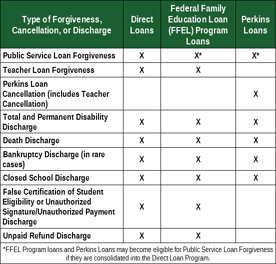
Government debt relief programs exist for specific kinds of financial obligation, such as trainee loans, mortgages, and organization debts. In many cases, the internal revenue service might let you settle your tax bill for less than you owe. There might also be state-level programs aimed at helping specific groups of people. Here are some examples.
For example, if you serve in the military, the Servicemembers Civil Relief Act (SCRA) might get you rate of interest caps and other securities designed to alleviate monetary challenge. To be eligible for SCRA, you must be among these: An active-duty member of the Army, Marine Corps, Navy, Air Force, or Coast GuardA member of the Reserve element when serving on active dutyA member of the National Guard mobilized under federal orders for more than 30 successive daysAn active-duty commissioned officer of the general public Health Service or the National Oceanic and Atmospheric AdministrationNote: SCRA rights might be exercised by anyone holding a valid power of lawyer for the servicemember.
Personal bankruptcy is another method to alleviate financial obligation, however it's not exactly a government debt relief program. It's a legal process. Charge card debt might be released (forgiven) depending on the type of insolvency you certify for. Chapter 7 insolvency. Eliminates unsecured financial obligation like credit cards. If you receive Chapter 7, a lot of or all of your charge card balances might be erased in a couple of months.
Steps to Stop Aggressive Harassment From Debt Collectors
That gives you lots of time to get back on your monetary feet while you restore your credit (and rebuilding can begin as soon as you file). Chapter 13 personal bankruptcy. Establish a three- to five-year repayment strategy to settle your balances. Since credit card debt is considered low-priority by the court, you may just have to pay a portion, with the remainder eliminated at the end of the plan.
You can take steps to reconstruct your credit in the meantime. When applying for personal bankruptcy security, you'll be expected to provide paperwork, which might include: IdentificationBank statementsTax returnsPay stubsProperty documentsList of creditorsList of assetsCredit counseling certificateOtherwise, financial obligation relief programs generally do not use to unsecured debt, such as charge card or individual loan financial obligation.
No federal government financial obligation relief programs particularly assist with your credit card payments. There are federal government guidelines that help secure you and ensure you're dealt with relatively when you seek credit card debt relief. The federal government has several laws and guidelines that protect customers. These 2 aid to make sure fair practices amongst debt relief suppliers: The Charge card Debt Relief Act of 2010.
Protecting Yourself From Time-Barred Lawsuits in Your AreaIt's indicated to help you avoid phony operators or companies that charge more than what's fair for financial obligation relief. The Uniform Financial Obligation Management Provider Act. This law helps states manage debt settlement and credit therapy services. The law caps fees for debt management services. At Freedom Financial obligation Relief, customers pay charges equivalent to 15-25% of their enrolled financial obligation.

Table of Contents
Latest Posts

Housing and Credit Counseling for Homeowners in 2026

Deciding Between Bankruptcy and Debt Settlement Programs
Protecting Your Rights Against Creditor Harassment in 2026
More
Latest Posts
Housing and Credit Counseling for Homeowners in 2026
Deciding Between Bankruptcy and Debt Settlement Programs
Protecting Your Rights Against Creditor Harassment in 2026